
Train where you live

Movement you can repeat every day

Dynovex is a structured resource for home training: short sessions, clear progressions, and habits that fit real schedules. We focus on skill, rhythm, and repeatability—not quick fixes.

Bodyweight-first · joint-friendly pacing · room-to-room setups

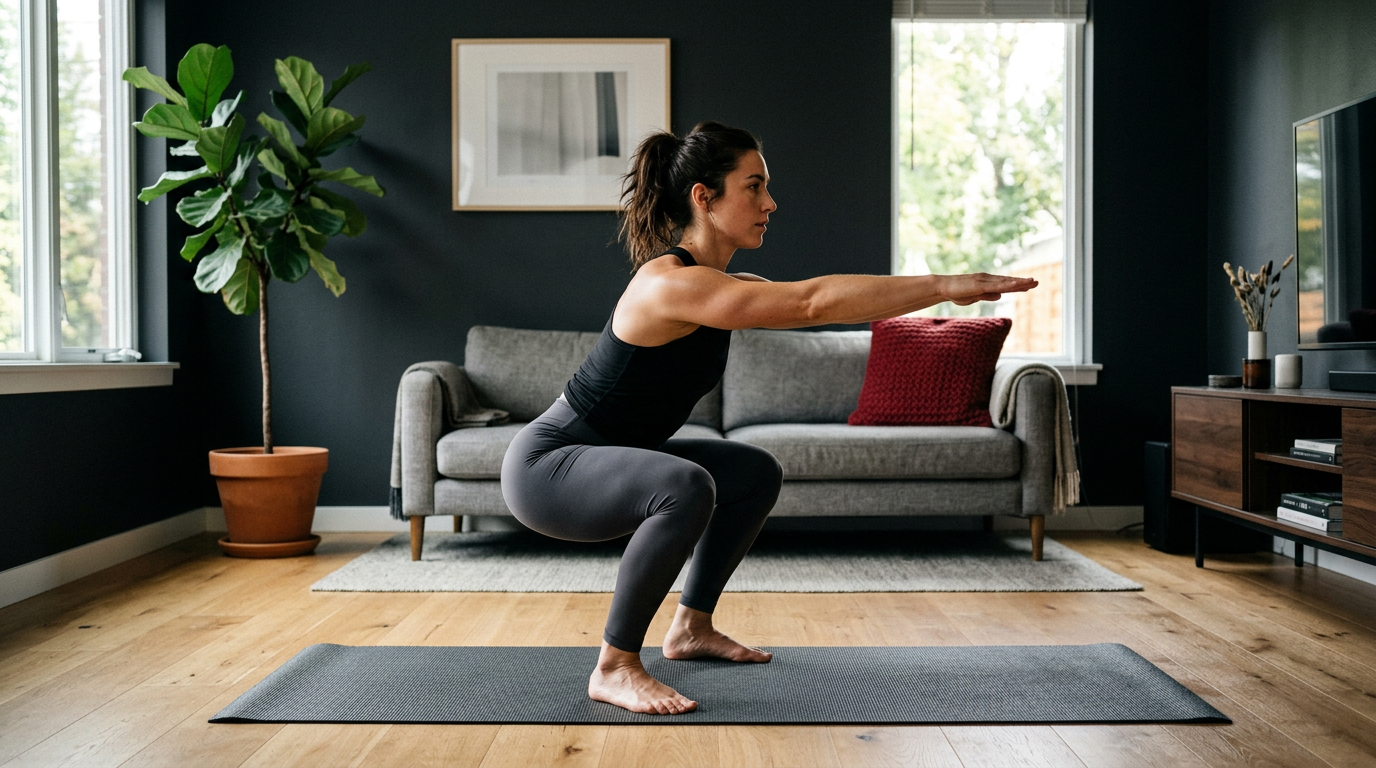
Person training with controlled squat form in a home space

Why movement matters daily

Daily movement is less about “burning calories” and more about teaching your body reliable patterns: hips that open on schedule, shoulders that stay organized under load, and breathing that stays steady when effort rises. Small exposures add up because they reduce the gap between “feeling ready” and actually starting—especially at home, where distractions win if your plan is vague.

When you move a little every day, coordination improves in low-stakes environments. That matters for bodyweight work because many exercises are skill-dense: a push-up is not only strength; it is torso stiffness, wrist tolerance, and timing. A daily practice lets you rehearse those details without needing a perfect gym block on Saturday to “make up” for a quiet week.

Daily movement also supports recovery rhythms. Light activity can help you notice early signals—tight calves before they become painful steps, or a stiff thoracic spine before it limits overhead reach. This site does not diagnose or treat medical conditions; it simply encourages you to treat training as a repeatable craft you refine over months.

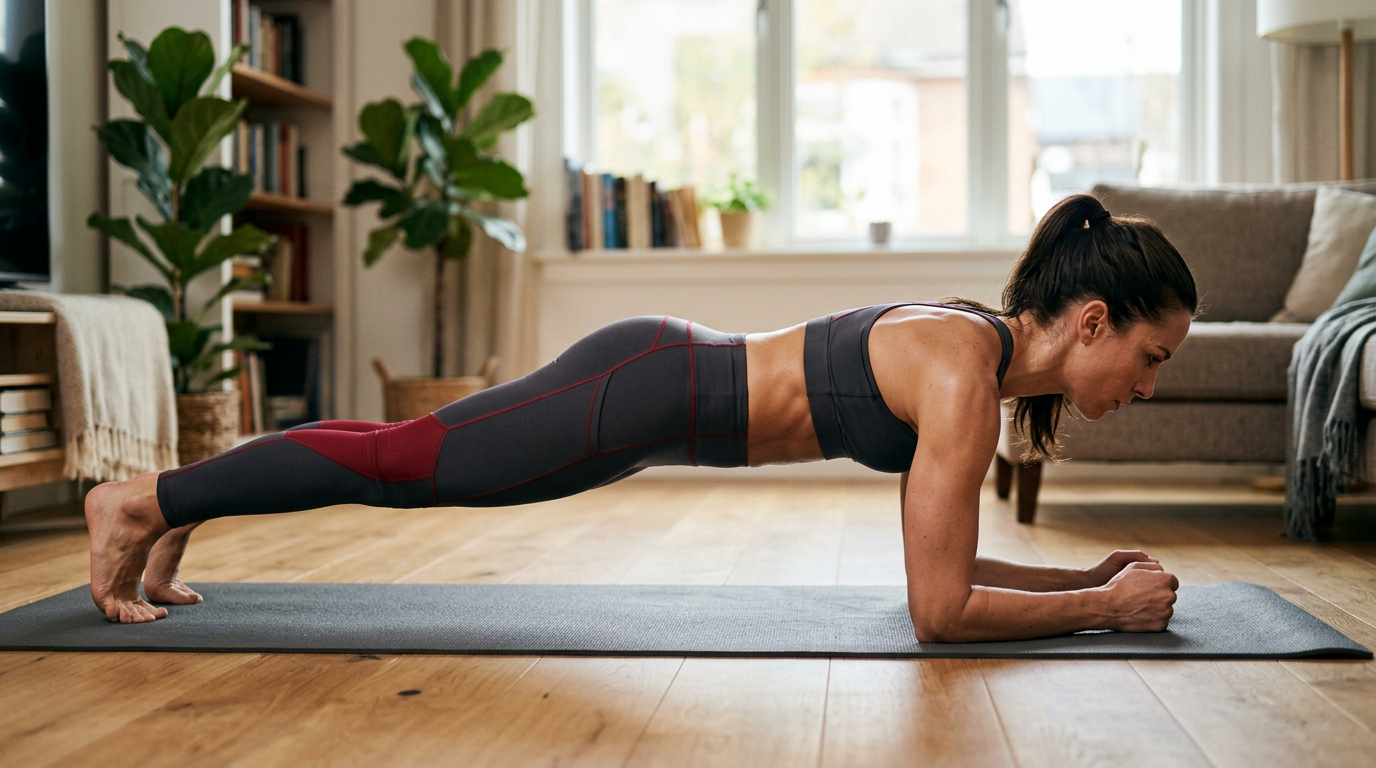
Bodyweight training position on a mat at home
Skill-first reps beat random intensity: control the shape, then add volume.

Common routine mistakes

Most home programs fail for predictable reasons: they are either too ambitious to survive a bad week, or too vague to produce progress. Below is a practical checklist you can use to audit your current week without shame—adjust one layer at a time.

All-or-nothing scheduling

If your plan requires sixty quiet minutes, it will collapse under travel, deadlines, or a noisy apartment. Build a baseline session you can finish in twelve to twenty minutes, then keep a “expanded” version for days with margin. Consistency is the product of a floor you can actually hit.

Chasing fatigue as proof

Sweat and soreness feel like evidence, but skill work often feels almost too easy at first. Fatigue-based training can hide sloppy positions until joints complain. Prefer crisp reps with identifiable standards—depth, tempo, and pause—before you turn sessions into exhaustion tests.

Ignoring preparation and cooldown

Jumping straight into intense sets without a short warm-up is like cold-starting an engine repeatedly: sometimes fine, often noisy. A simple joint tour—ankles, hips, spine, shoulders—can make bodyweight sessions feel smoother and more repeatable.

No progression rule

If every day is random, your body adapts to “generally tired” but not to a specific skill. Pick one primary pattern per block—squat, hinge, push, pull, core carry—and advance reps, range, tempo, or leverage in small steps you can track on paper.

Simple weekly structure

A week should feel like a loop you can recognize: anchor days, lighter days, and one optional challenge day if recovery is solid. This is a template—not a law—so you can rotate intensity while keeping identity-level consistency (“I am someone who moves daily”).

Foundation

Monday & Thursday: strength skill

Two non-consecutive days emphasize push, pull, and single-leg stability with moderate volume. Keep rest long enough to maintain quality. If time is short, reduce exercises before you reduce standards—half-quality sets teach half-quality habits.
Daily

Micro mobility

Five to eight minutes of easy movement: calf raises, hip airplanes supported by a wall, thoracic rotations, and diaphragmatic breathing. This is not stretching theater; it is a reset so your next hard session starts from a better baseline.

Conditioning

Saturday: optional circuit

If you want extra work, keep it cyclical and repeatable: locomotion drills, tempo squats, incline push-ups, and farmer carries with whatever safe load you have at home. Stop before form disintegrates—finish crisp.

Recovery-aware

Wednesday & Sunday: walk + light core

Low-intensity days are not “off” days wasted; they are glue for your routine. A brisk walk supports mood and leg circulation, while short core work reinforces a stable midline for planks and push-ups later in the week.

For a printable breakdown, see Weekly Plans. Adjust volume to your experience; beginners should prioritize technique and session frequency over complexity.

Consistency strategies

Consistency is not motivation; it is environment design plus a decision rule you can follow when motivation is absent. Use the timeline below as a mental model for building a home practice that survives stress.

Anchor the trigger

Pair training with an existing daily cue: after morning coffee, before shower, or after your first work break. Triggers beat intentions because they remove the “when” debate.

Track inputs, not vibes

Log minutes, sets, and one quality note—such as “knees tracked” or “ribs down.” Trends emerge from data; memory is biased after a hard week.

Design the room

Mat visible, shoes off, phone across the room. Friction against starting is the silent killer of home training. A dedicated corner signals seriousness to your brain—even if it is only two square meters.

Rebuild gently after breaks

Travel and illness happen. Return with a reduced session that feels almost too easy for two days, then ramp. Prideful comebacks create sloppy weeks; humble comebacks compound.

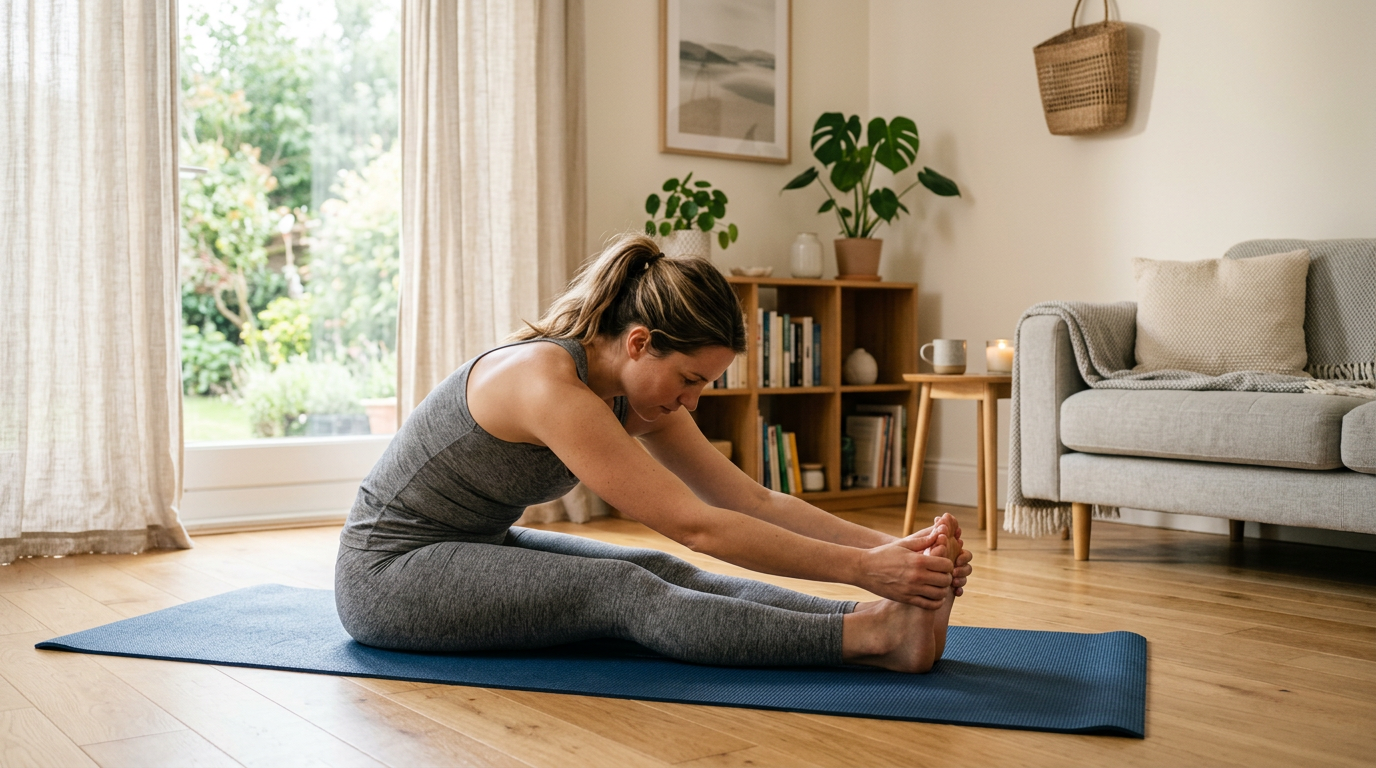
Stretching and mobility work on a mat indoors
Mobility sessions support range you can use under load—not just flexibility for its own sake.

Habit stacking that actually works

Stack short mobility drills onto tasks you already do: calf raises while brushing teeth, hip hinges while waiting for water to boil, wall slides after you close your laptop. These micro-doses do not replace training, but they keep your joints conversant with movement on busy days.

Pair this with a weekly review: one paragraph on what felt sustainable. Sustainability is the metric—if your routine only works during perfect weeks, it is not yet robust enough.

Read practical tips

Explore the library

Go deeper with routines, foundational positions, and weekly planning ideas. Every page is written to be actionable at home, using minimal equipment and clear language.

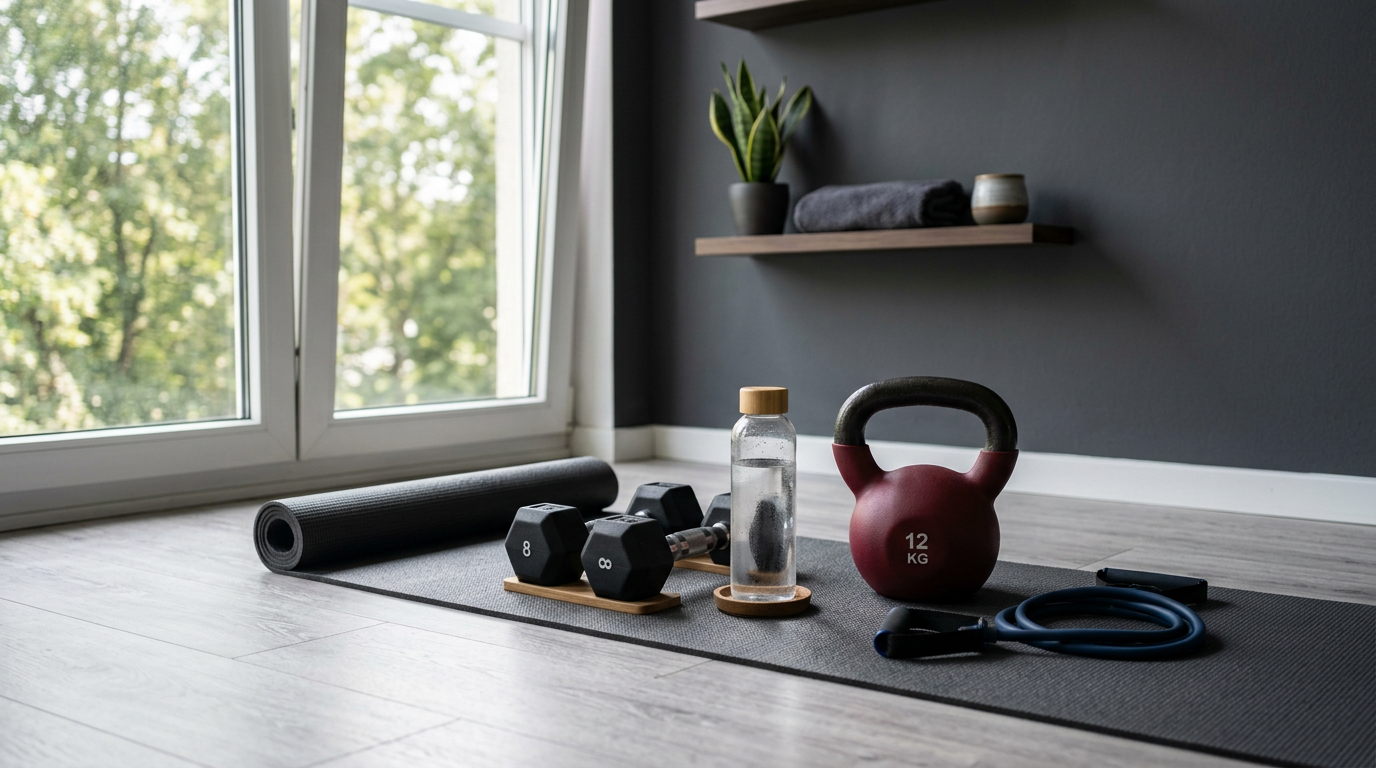
Home training corner with mat and simple equipment
You do not need a perfect gym—just a repeatable space and a clear plan.