Strength micro-blocks
Two primary lifts and one core drill. Rotate between squat and hinge days across the week so patterns both advance.

Structure with flexibility
A week should handle chaos: late meetings, noisy neighbors, low sleep. These templates trade perfection for a rhythm you can defend—because a plan you abandon is worse than a modest plan you keep.
Alternate harder days with easier days. Keep at least one day focused on walking or light movement if you can. Nutrition, sleep, and stress all influence recovery; this site does not provide medical nutrition advice—speak with a professional for personalized guidance.
Choose two priorities per week—examples: squat pattern quality, horizontal pull volume, or core endurance. Everything else supports those priorities.
Write a “non-negotiable” session: ten minutes, one lower drill, one upper drill, one carry or core piece. Minimums keep identity intact during rough weeks.
Five-minute review: what felt sustainable? What stole time? Adjust next week’s layout, not your self-worth.
Best for people who can commit to slightly longer sessions on weekdays or weekends. Volume is moderate; intensity comes from proximity to failure on the last set of each exercise—while keeping form intact.
Squat pattern, push variation, row or pull, single-leg accessory. Finish with core anti-rotation.
Longer warm-up, locomotion drills, low-impact intervals like tempo step-ups or bike if available.
Hinge emphasis, horizontal push, vertical pull if equipment allows, calves and grip finisher.
Technique-focused progressions—paused reps, controlled eccentrics—and walking.
Ideal if you prefer daily touchpoints. Sessions stay under twenty-five minutes to reduce decision fatigue.
Two primary lifts and one core drill. Rotate between squat and hinge days across the week so patterns both advance.
Thoracic mobility, scapular control, and easy carries. Think “training for the desk” without turning it into a circus.
Thirty to sixty minutes easy. Add strides or hills only if you feel fresh—otherwise keep it restorative.
Every fourth week—or whenever sleep and stress pile up—cut total sets by thirty to forty percent and keep intensity moderate. Deloads are not losses; they are absorption weeks where tissues and skills integrate.
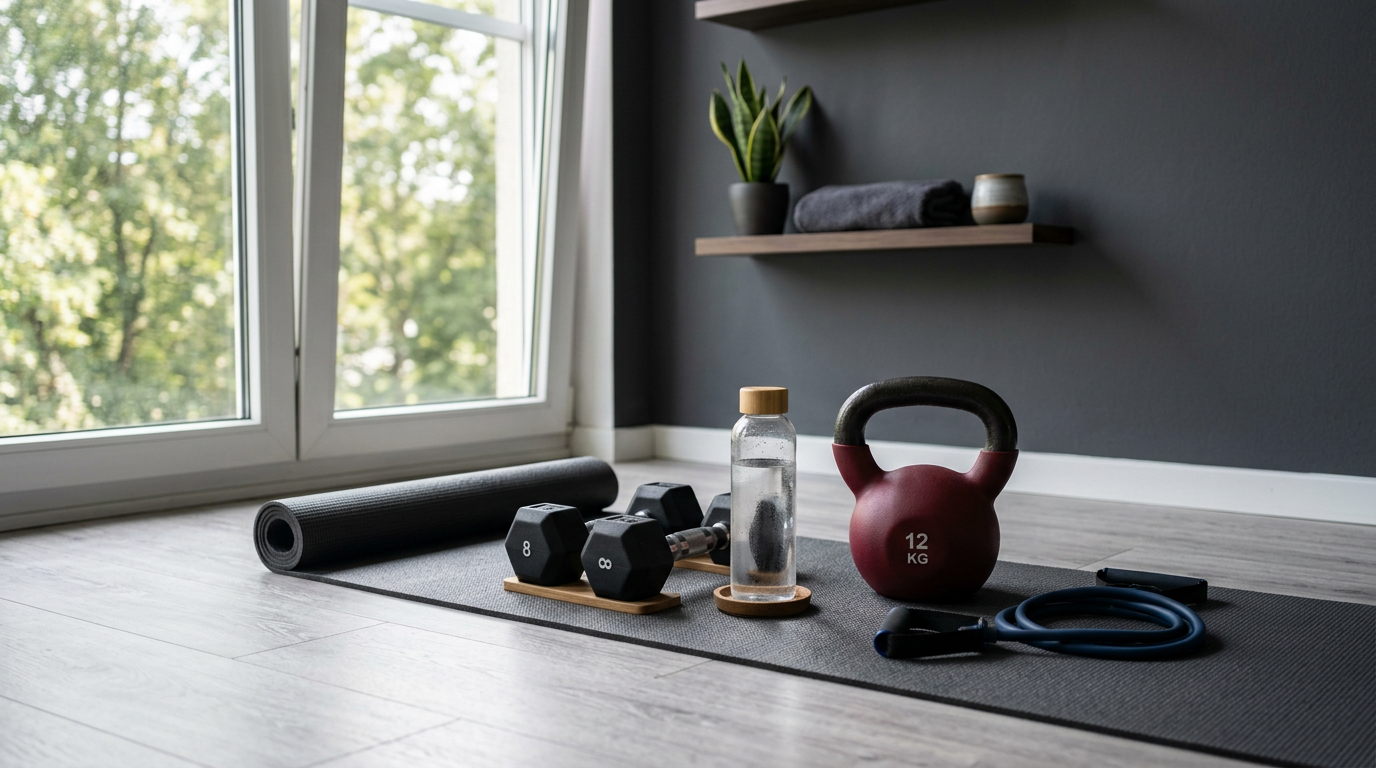
Combine this page with daily routines for session ideas and articles for deeper training philosophy without hype.